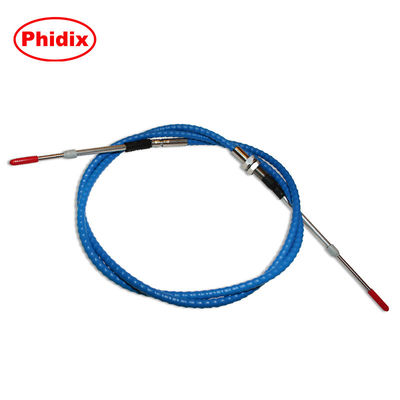
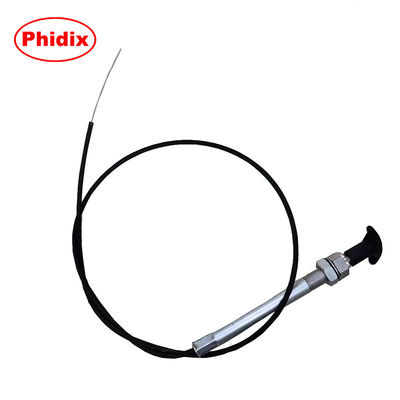
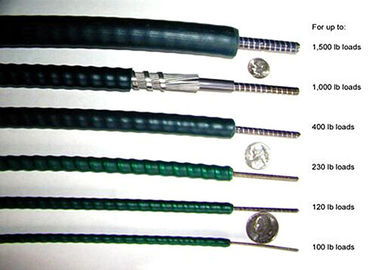
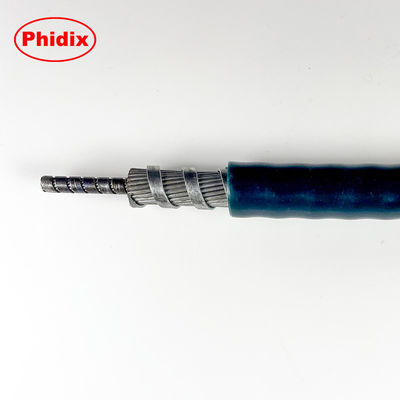
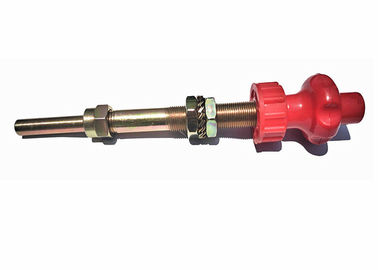
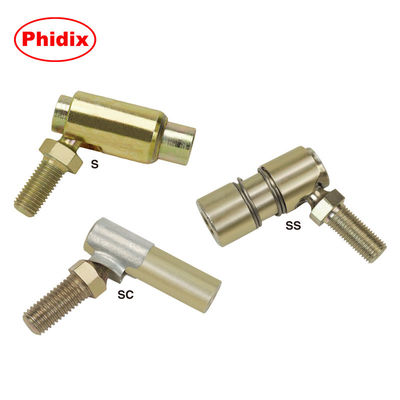
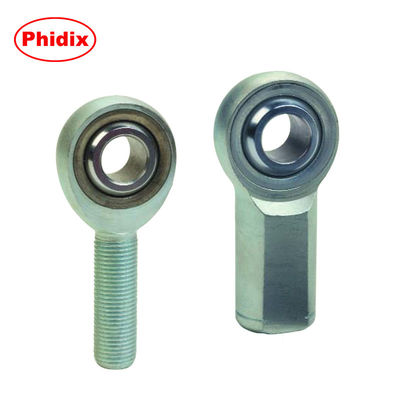
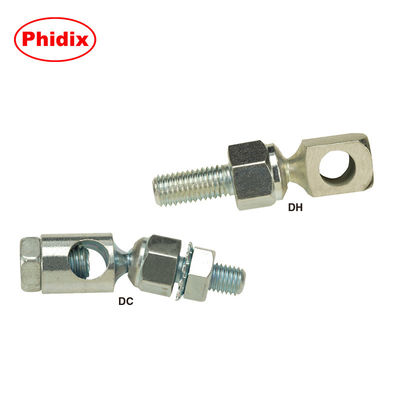
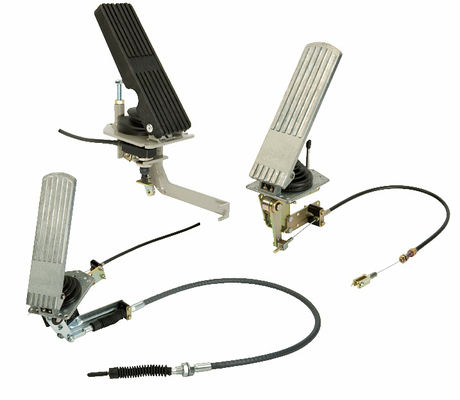
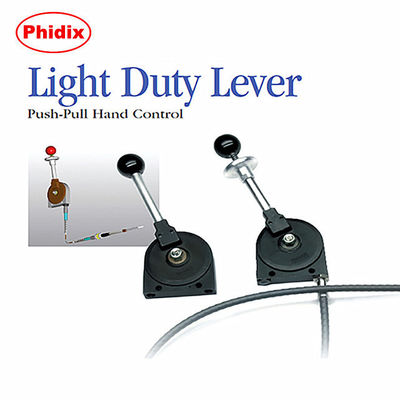
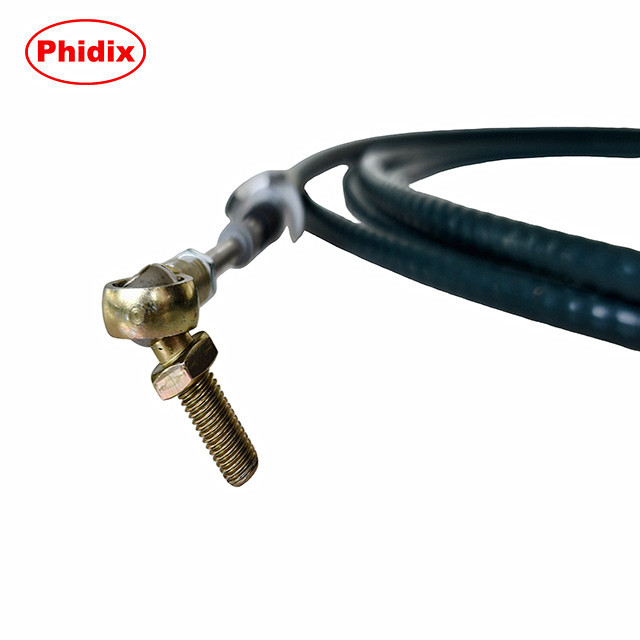
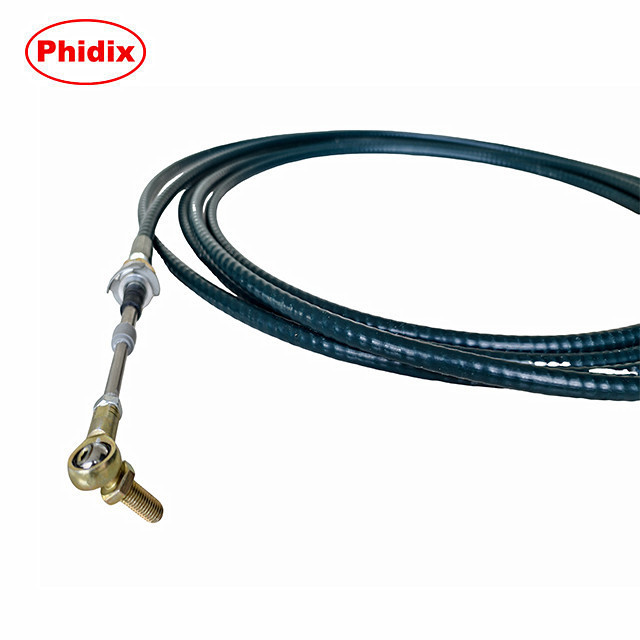
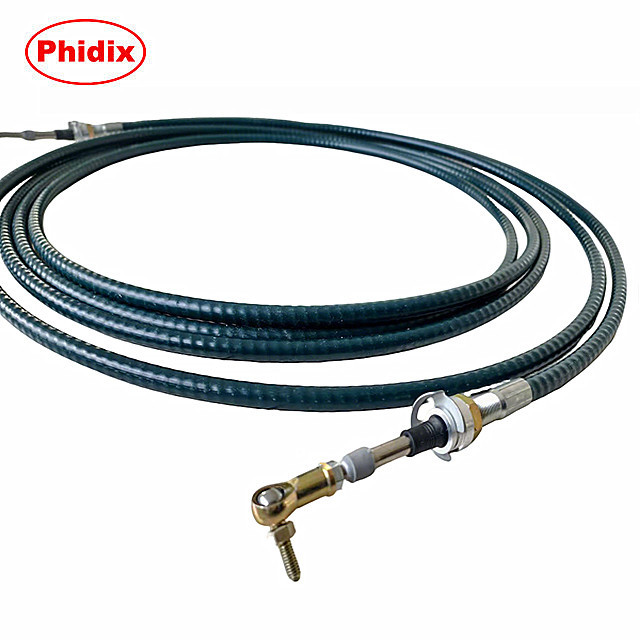
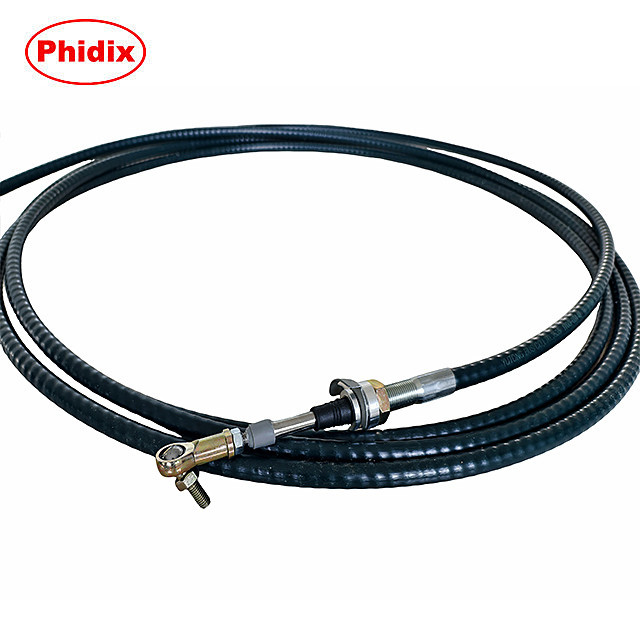
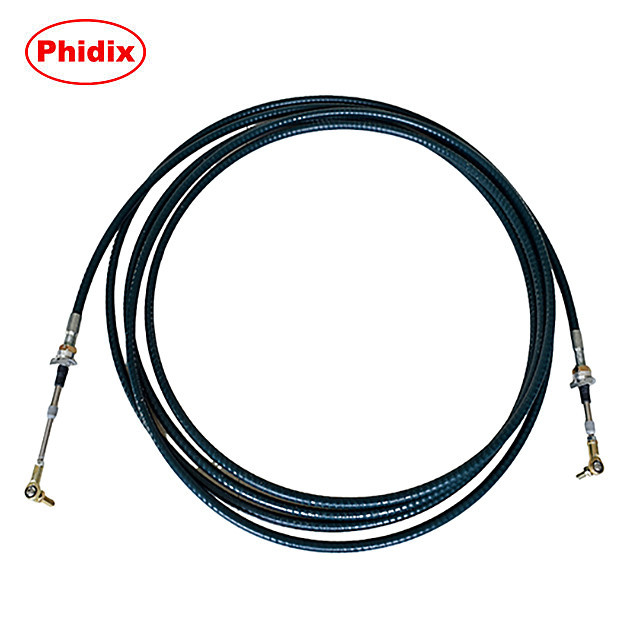
De push-pull-besturingskabel met kogelverbindingspunten is een flexibele mechanische besturingsoplossing die is ontworpen voor nauwkeurige lineaire bewegingsoverdracht in afstandsbedieningssystemen.met een diameter van niet meer dan 50 mm, deze kabelsamenstelling biedt ruimte voor hoekverstoringen en dynamische bewegingen, terwijl een soepele en betrouwbare push-pull-operatie wordt gewaarborgd.Gebouwd met een hoge sterkte binnenkern en een versterkte buitenleiding, zorgt de kabel voor een lage wrijving, minimale terugslag en een lange levensduur, zelfs in ruwe of hoge trillingsomgevingen.en verbeterde systeembetrouwbaarheid, waardoor deze besturingskabel ideaal is voor veeleisende industriële en mobiele toepassingen.
[Aanvragen ]
•Auto's en bedrijfsvoertuigen
•Bouw- en bouwmachines
•Landbouwuitrusting
•Industriële machines en automatiseringssystemen
•Materialenbehandelingsapparatuur
•Spoorvervoersystemen
•Maritieme en offshore-apparatuur
•Militaire en speciale voertuigen
[Kenmerken]
•De uiteinden van het kogelgewricht maken hoekige beweging en onevenwichtigheid mogelijk
•Een soepele en precieze push-pull-transmissie
•Hoogsterke binnenkern voor betrouwbare belastinghantering
•Versterkte buitenleiding voor duurzaamheid en slijtvastheid
•Verminderde wrijving en minimale terugslag
•Geschikt voor vibraties en dynamische omstandigheden
[Voordelen]
•Verbetert de flexibiliteit van het systeem en de installatietolerantie
•Vermindert de belasting van kabels en verbindingsonderdelen
•Verbetert duurzaamheid en levensduur
•Biedt stabiele en nauwkeurige bewegingscontrole
•Vergemakkelijkt installatie en uitlijning
•Ondersteunt aangepast ontwerp voor specifieke toepassingen
[Werkingsbeginsel ]
De push-pull-besturingskabel zendt een lineaire beweging van een invoerbesturingsapparaat, zoals een hendel of pedaal, naar een mechanisch onderdeel op afstand.de binnenkern beweegt zich langszij binnen de buitenleiding om het aangesloten mechanisme te duwen of te trekkenDe spiraalverbinding laat de kabel vrij articuleren, waardoor de hoekverstoringen en bewegingen tijdens het gebruik worden gecompenseerd.het garanderen van een soepele bewegingstransmissie en een consistente prestatie gedurende een langere levensduur.
[Echt beeld]


 Uw bericht moet tussen de 20-3.000 tekens bevatten!